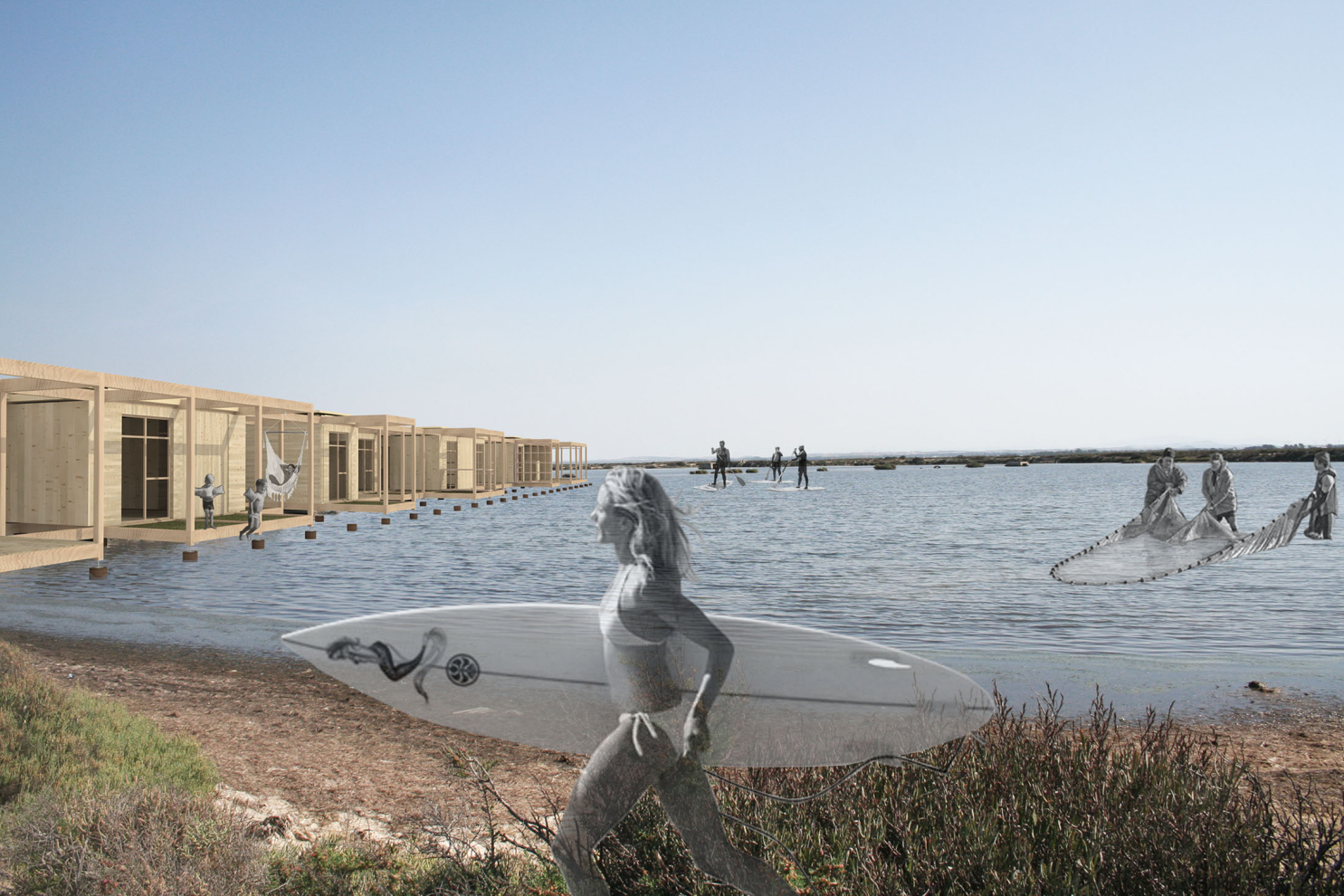
Activate the landscape
I had long observed this site from a distance: on the way to the beach, from the water itself, from the opposite bank of the Caño Santi Petri, and always, as I travelled along the Camposoto road, that enigmatic place behind the fence at the end of the path captured my attention.
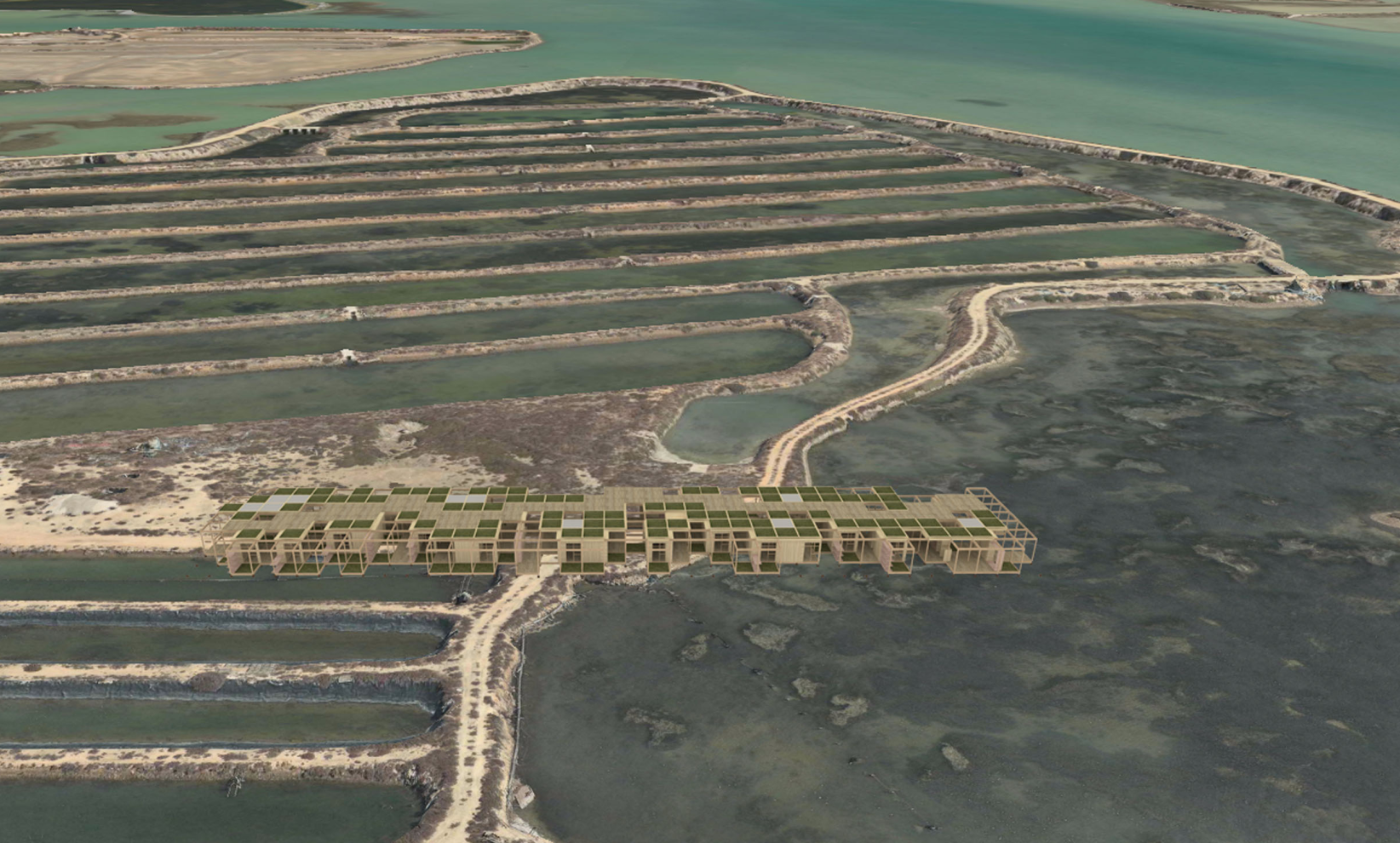
One day, I decided to climb over the metal gate and step into the vast expanse of the plot. Almost immediately, I lost any sense of orientation. This place that had always been so close suddenly made me feel profoundly removed from everything. I wandered through the labyrinth formed by the fish-filled ponds and along the paths shaped by the remnants of what had once been an old salt marsh—now invaded by vegetation and eroded by the tides after years of neglect. It was an uncanny experience: although its present condition evoked a state of seemingly pure nature, such a landscape could not have existed without human intervention in the past.
Much of my exploration was spent reflecting on this—on how artifice and nature converged in such an extraordinary harmony. It felt as though time itself had come to a halt, its passage perceptible only in the shifting water levels—flowing through the sluice gates with the tides—or in the changing position of the sun. A profound sense of peace permeated the site; only occasionally was this calm interrupted by the calls of birds—storks or curlews—when one approached their nests. Yet there were also devastated areas, where the ruins of industrial structures broke the spell of the place. This was the most disheartening aspect: as one moved closer to these built clusters, the lack of sensitivity with which the area had been treated in the recent past became evident.
My initial impulse was to clear the site of all debris—concrete rubble, salt-corroded metal, and the obsolete installations once used for intensive estuarine fish farming. To my mind, none of this possessed any meaningful heritage value. At first, I believed that the best course of action would be to remove these remnants and allow time to continue its work on the rest. Yet I soon recognized the selfishness of that approach: I might continue to enjoy the place, watching as time slowly rendered it inaccessible to humans. But what of future generations? Would my inaction deprive them of this landscape?
It was then that I understood something I had not previously considered: the act of maintaining this landscape was itself a heritage project. I resolved to intervene as the most appropriate form of preservation—but I did not wish to transform it into a museum piece, a static landscape it had never been. I needed to find a way to ensure its dynamism, so that its identity would not be lost. After much reflection, I embraced the idea of responsible occupation: the site required a use as its primary form of conservation, while simultaneously preserving its inherently transformative character.
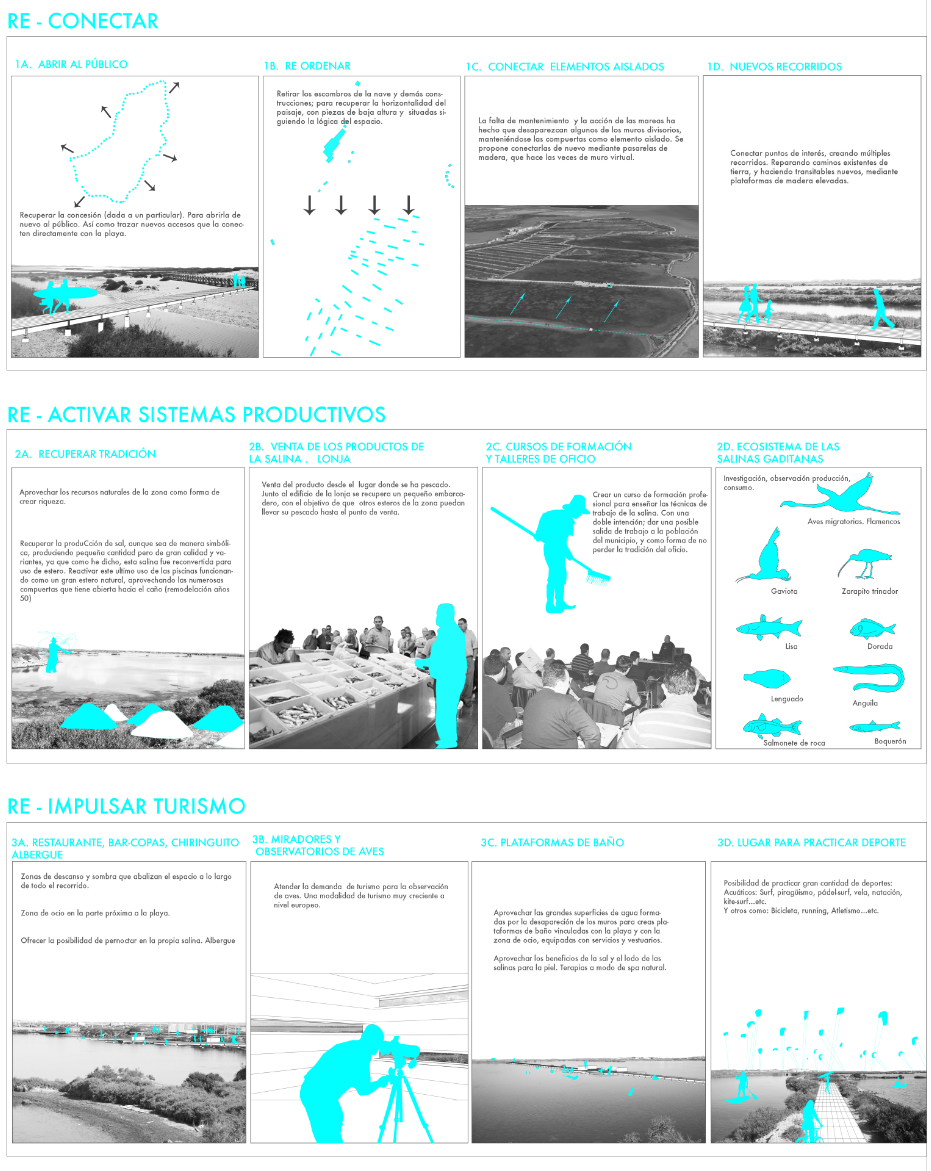
Thus, I set out to design what would become the next stage in the life of this place—a phase that, like those before it, would not be definitive, but would sustain it for a time. The project would rest on several fundamental principles:
The use of materials that are non-invasive to the environment.
The capacity to be dismantled in the future without leaving a trace.
Respect for the inherent horizontality of the landscape.
An openness to change and evolution.
Construction that honours the surrounding environment to the greatest possible extent.
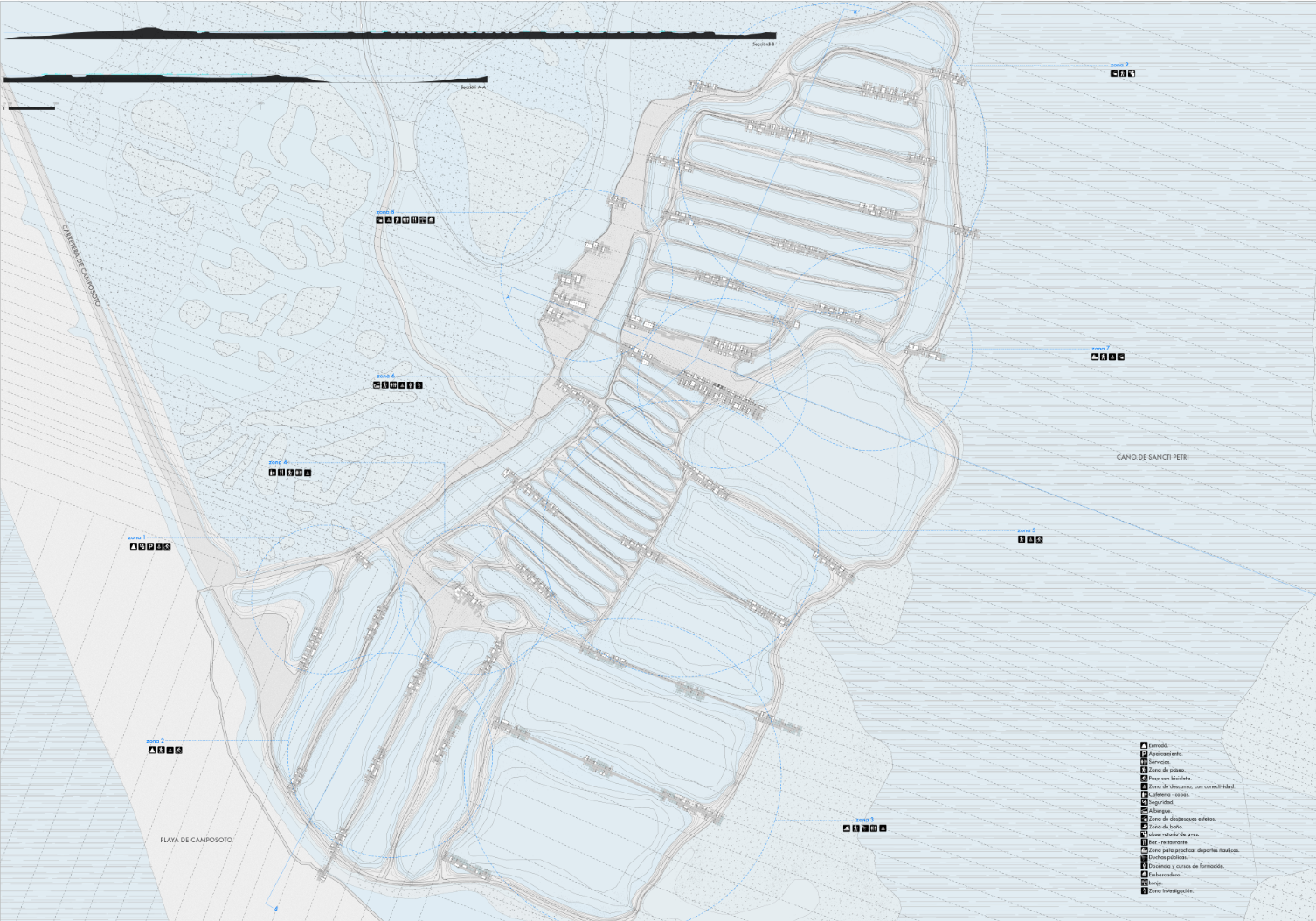
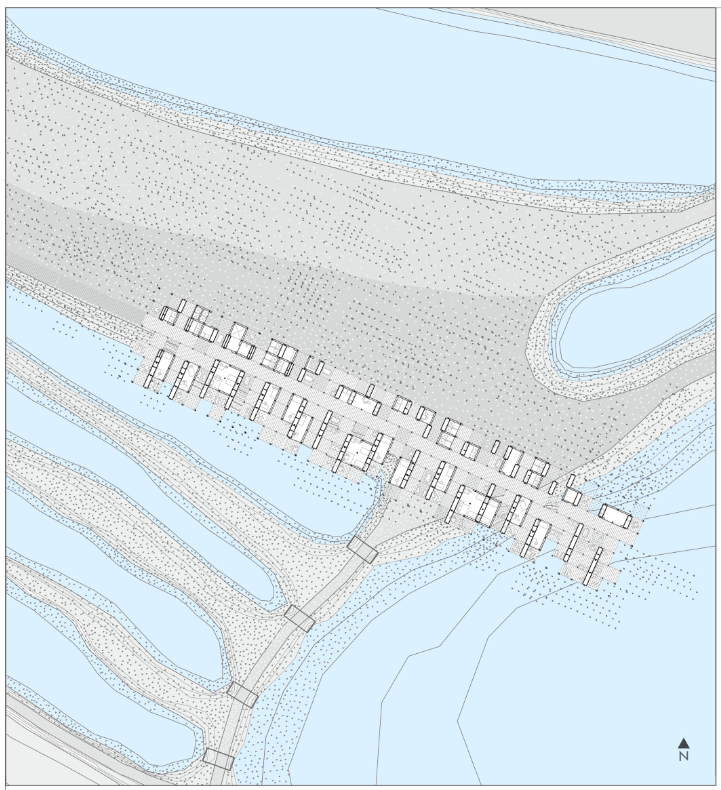
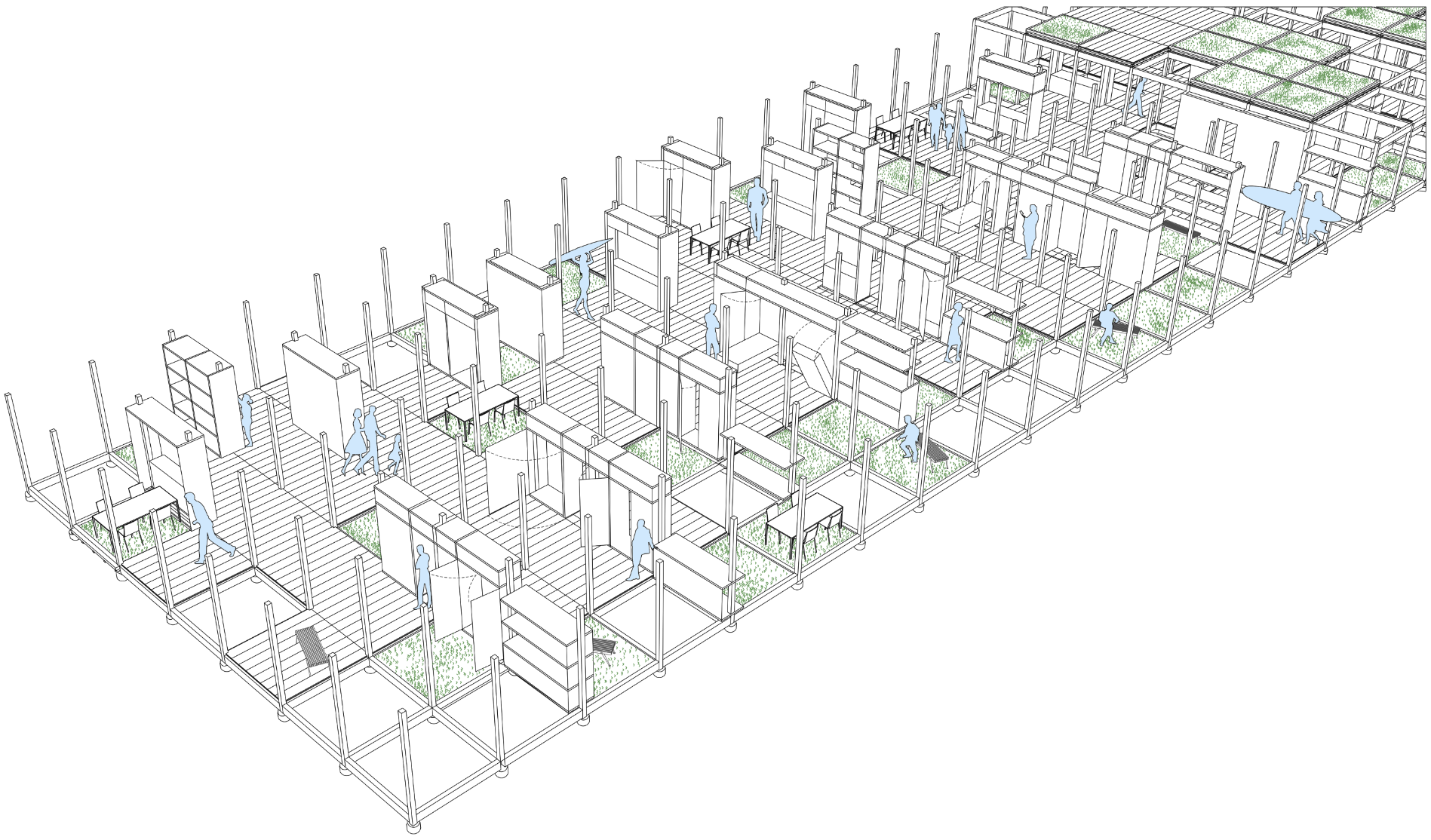
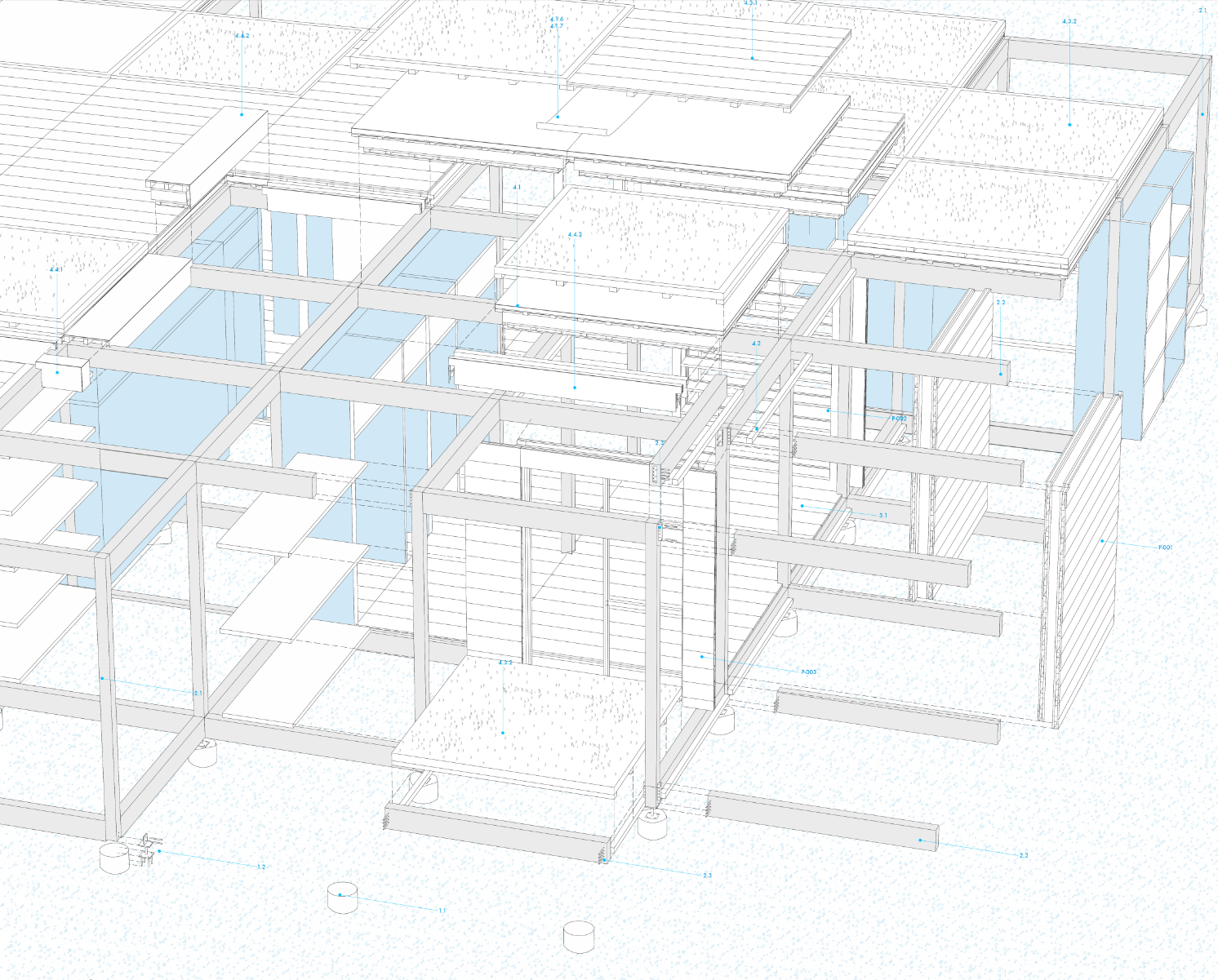
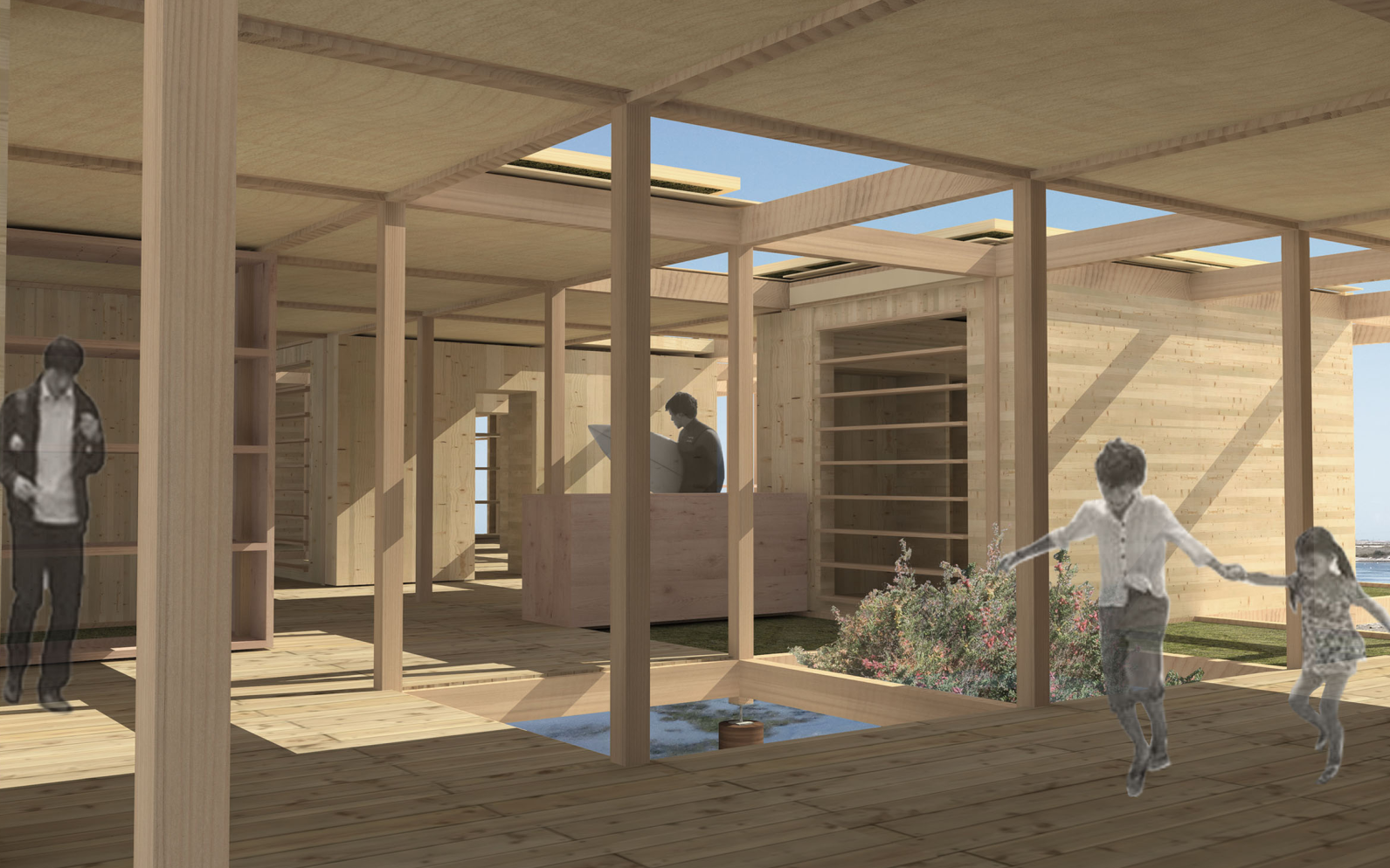
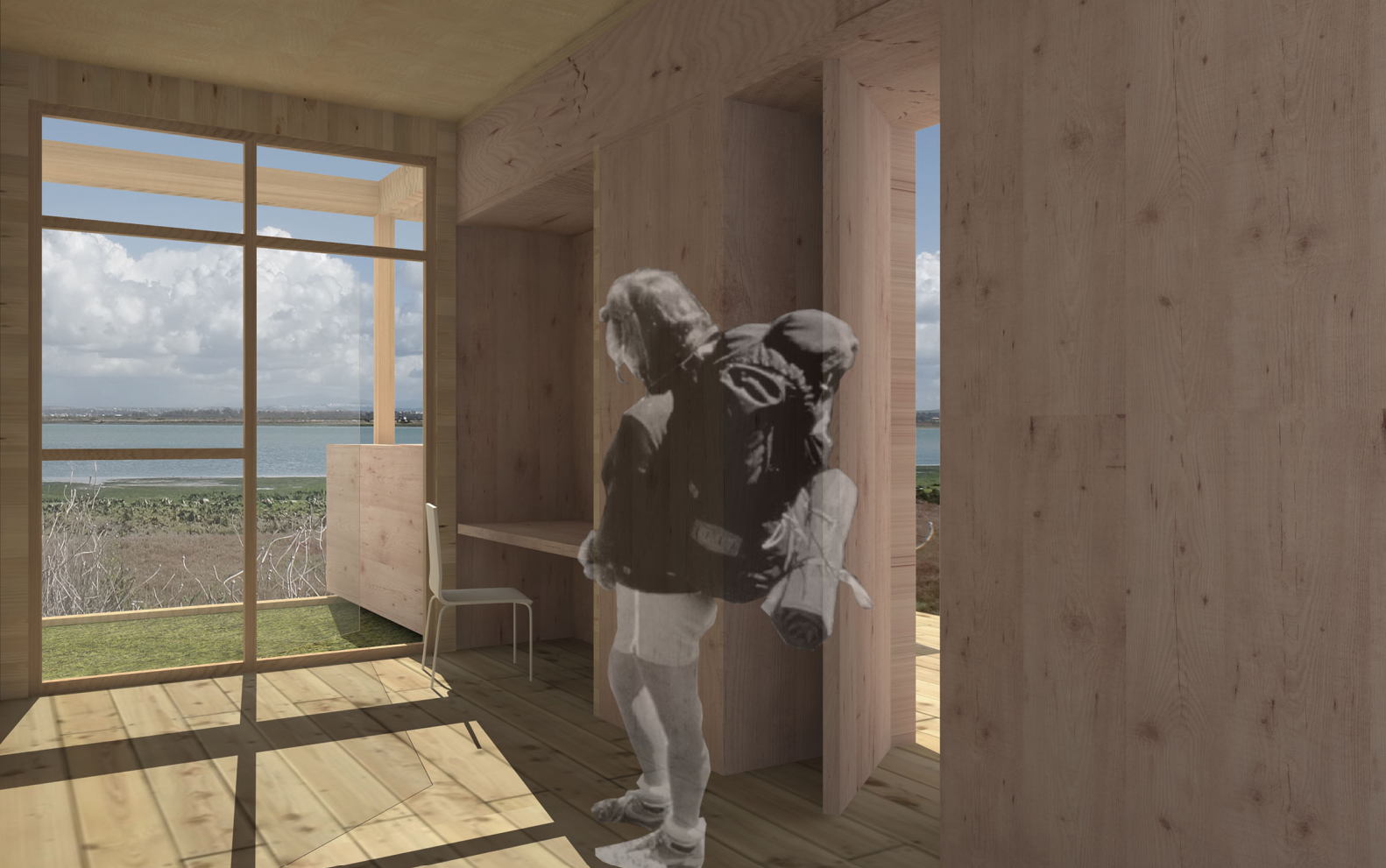
I envisioned a series of pavilions supported on wooden piles, lightly elevated above the ground and linked across the site. This would be a light, permeable architecture—one that sustains a reciprocal dialogue between landscape and built form.
To fulfil these principles, the pavilions would be constructed from prefabricated components atop a wooden structural framework, serving both as support and as an extendable system—capable of being assembled, disassembled, and adapted with relative ease to the changing conditions and uncertainties of the future.
Location: Cádiz
Year: 2020
Estatus: Research