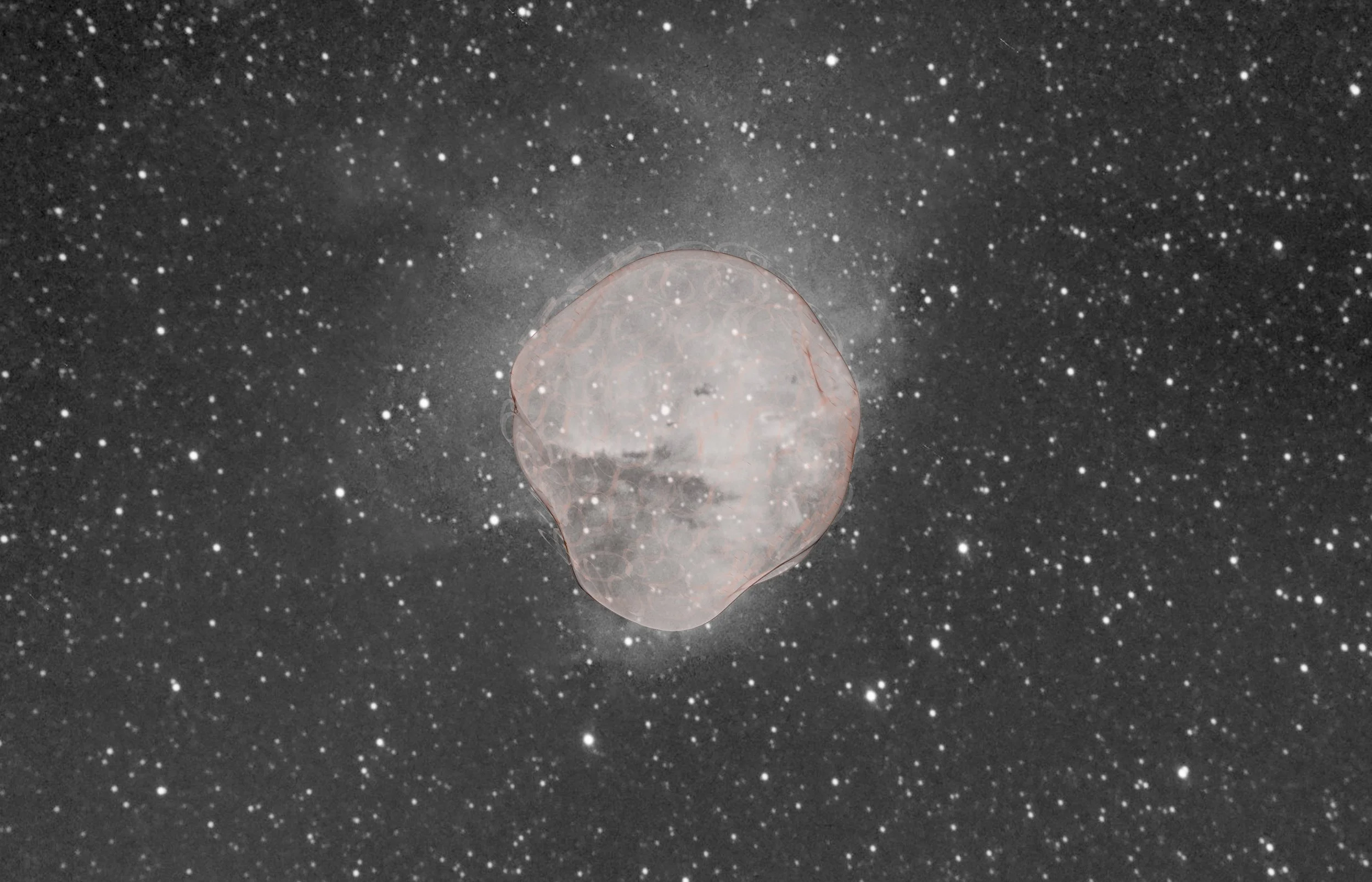
Make it visible
The concentration of CO₂ is rising, sea levels are projected to rise one meter, and the global population is set to double by the end of the century. Human impact on Earth is so profound that scientists call this era the Anthropocene, highlighting the urgent need to rethink humanity’s relationship with nature.
Plastic pollution exemplifies this crisis. The world buys one million plastic bottles every minute, most of which end up in landfills or the ocean. Annual consumption surpassed half a trillion bottles in 2021, overwhelming recycling efforts. Major beverage companies produce the largest share of this waste, with Coca-Cola alone manufacturing over 100,000 bottles per year—roughly 3,400 per second. The Anthropocene thus names not only a geological epoch but a global systemic crisis, provoking dialogue across disciplines: scientists, politicians, sociologists, philosophers, economists, and artists all converge to reflect on a challenge that affects both humans and non-humans alike.
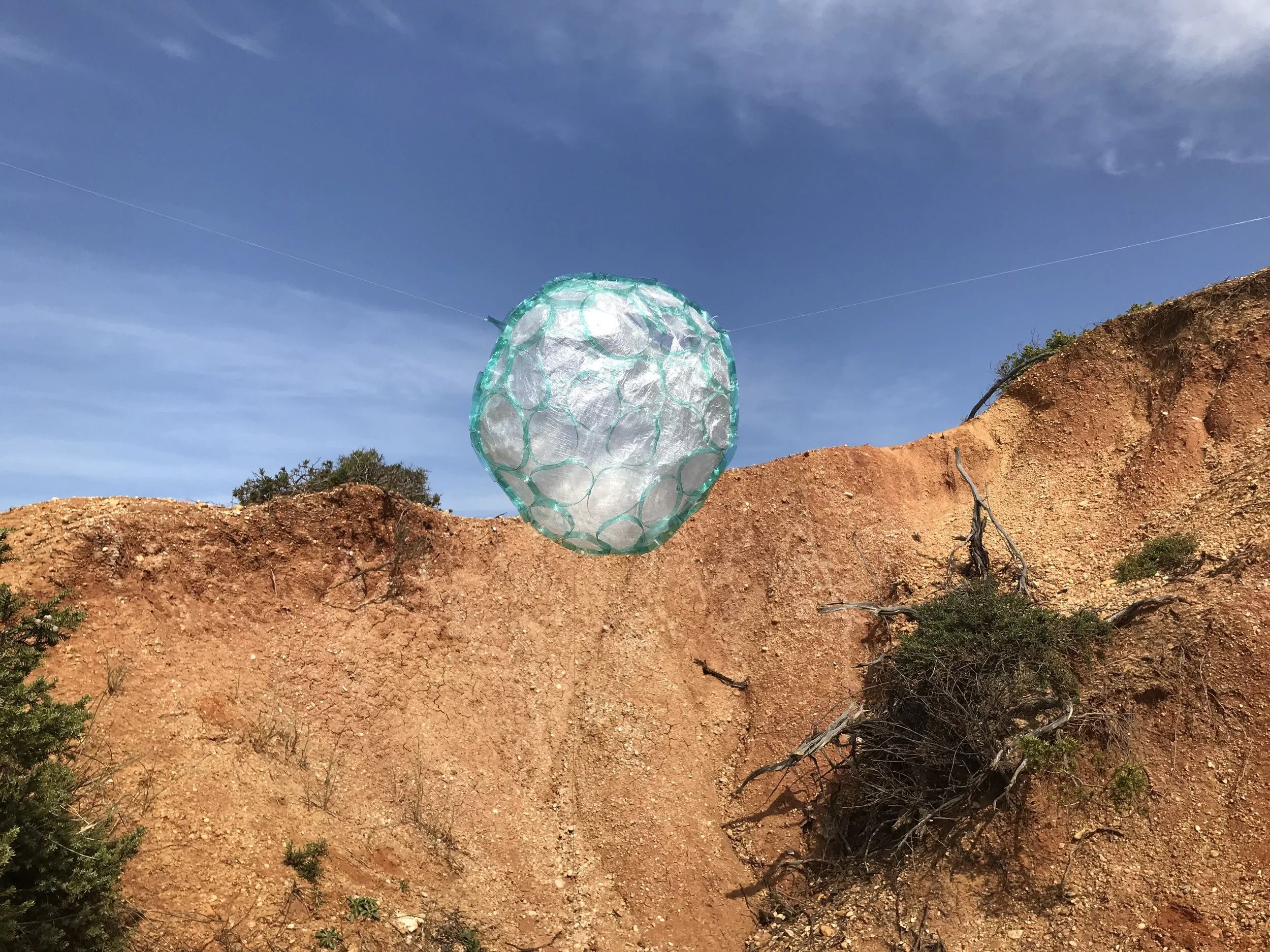
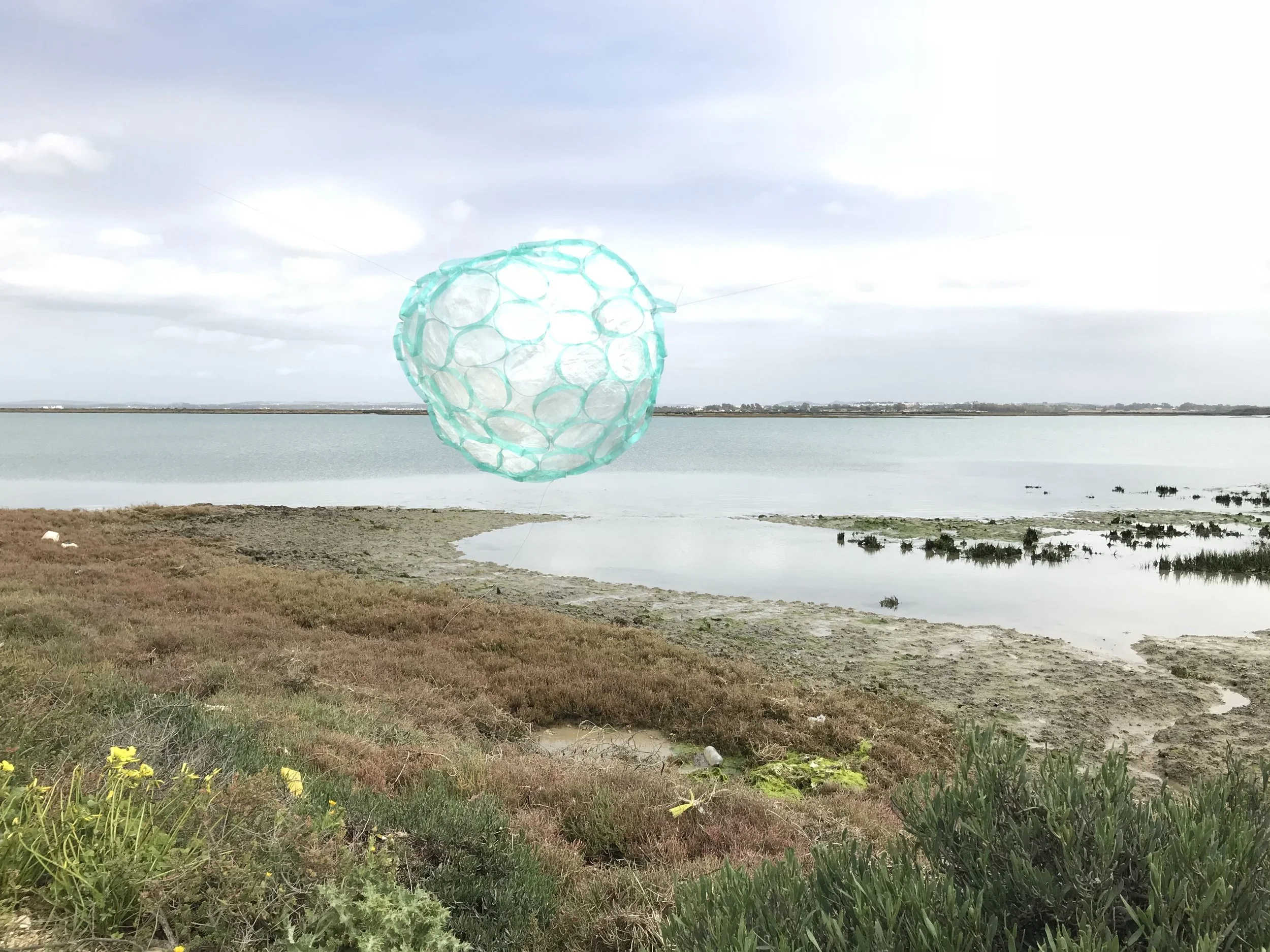
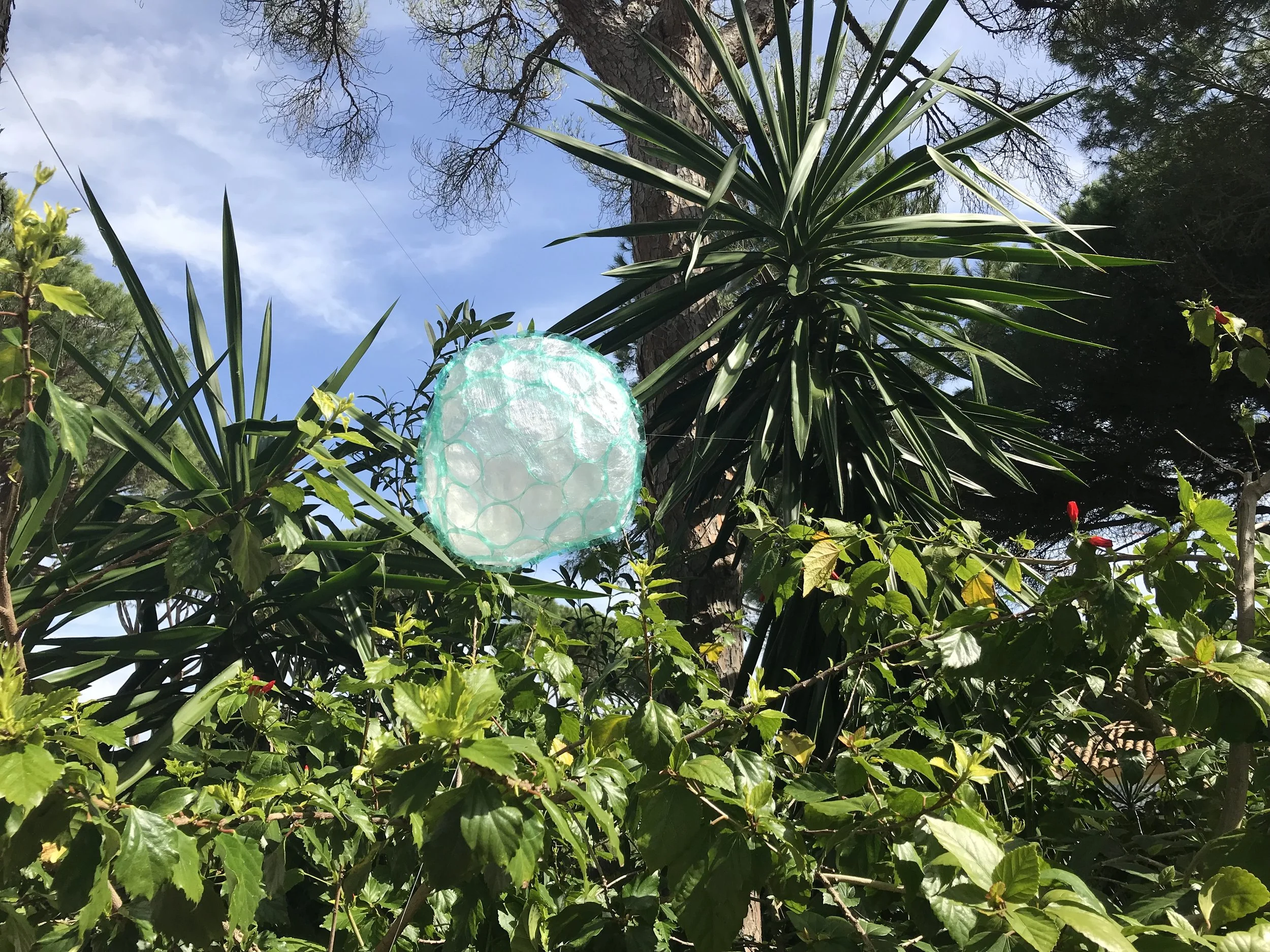
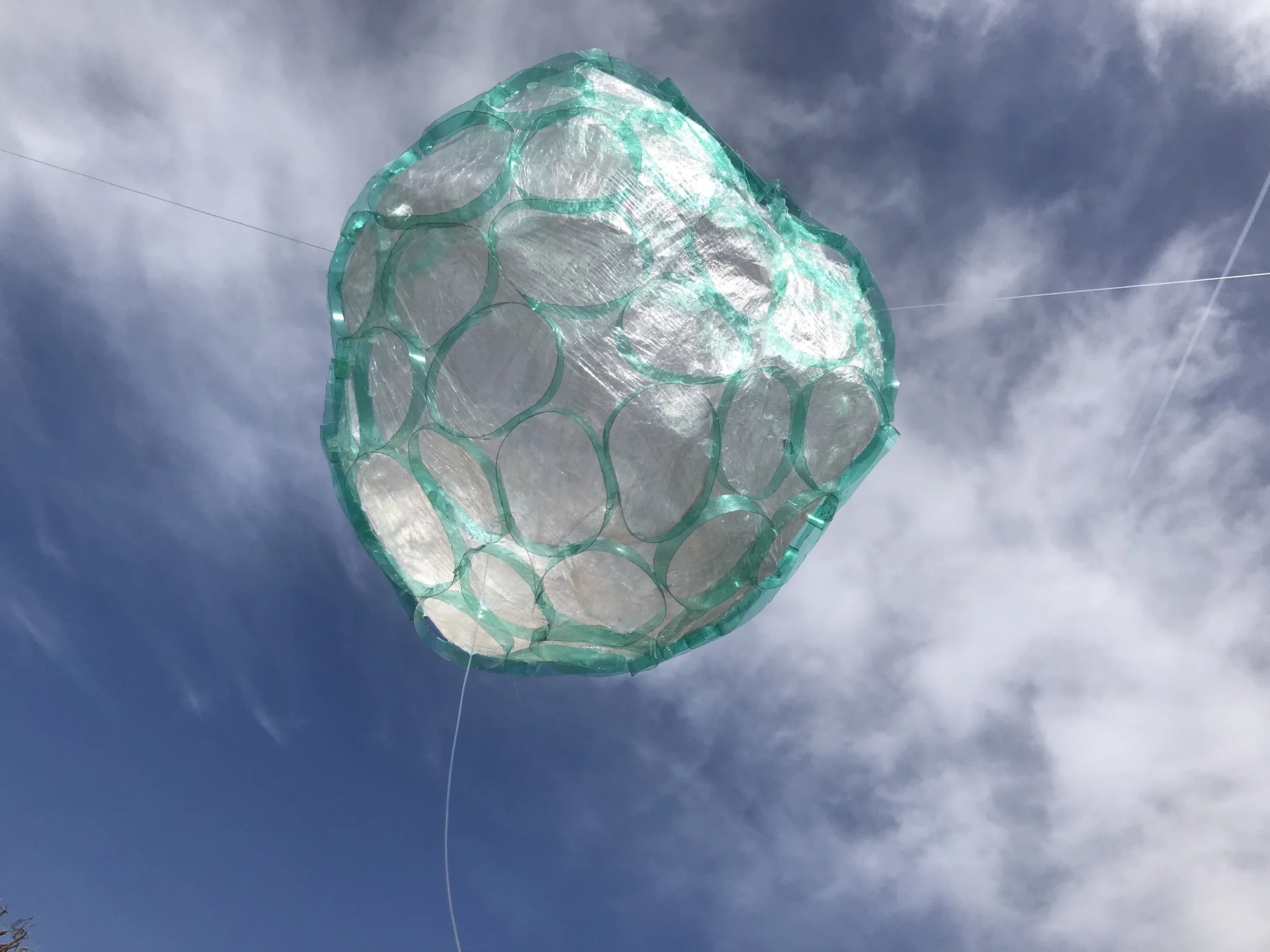
In this context, the project addresses how human perception has normalized the presence of plastic waste. Even in the most pristine landscapes, plastic objects go almost unnoticed; a paradisiacal beach in Cádiz can coexist with a discarded soda bottle or a crushed beer can without provoking alarm. The installation collects plastic debris from such environments and transforms it into an object that immediately commands attention, making visible the waste that surrounds daily life yet remains largely ignored. To do this, it is installed in different locations; this artificial plastic comet ultimately finds itself in a future space, simulating the remains of a planet Earth after the passage of humans. It becomes both artifact and warning, a fragment of a planet irreversibly altered by human activity.
Location: Cádiz
Year: 2018
Estatus: Completed